Gardening Services in Stockwell for practical outdoor care and tidy, usable spaces

Our gardening services in Stockwell focus on the routine and improvement work that keeps outdoor spaces manageable, neat and ready to use. Whether you need help with weekly upkeep, a one-off tidy-up or a more involved refresh, we cover the kind of tasks that make a garden feel looked after rather than left behind. That can include lawn care, hedge work, border attention, pruning, clearing and broader garden maintenance where a steady hand matters more than a dramatic overhaul.
We approach each job with a practical, detail-led method, so the work suits the space rather than forcing the space to suit the work. Some gardens need simple presentation work; others need a more structured plan to regain shape after a period of growth. If you are comparing options or just want to understand what is possible, this is a good place to start. For a wider view of the types of work we cover, see our services overview.
Before arranging anything, it helps to think about the outcome you want most: lighter ongoing upkeep, a cleaner finish before visitors arrive, or a fuller transformation of the garden’s layout and planting. If you already have a sense of the main priorities, you can move straight to the next step and request a quotation. If not, a brief description of the space is usually enough to begin the conversation.
Garden maintenance built around regular upkeep
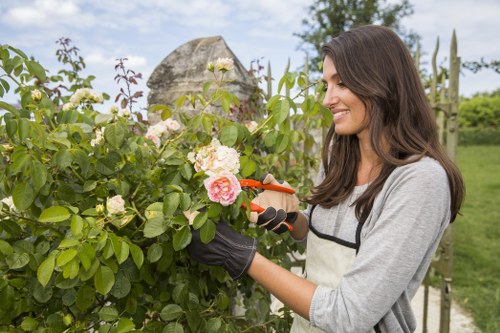
Garden maintenance is often the simplest way to keep a property looking cared for without waiting for larger problems to build up. Our work can include border tidying, cutting back growth that has started to overrun paths or beds, weed control in visible areas and general upkeep that keeps the garden in a presentable condition. This type of service is useful when the garden already has structure, but needs regular attention to prevent it from becoming heavy, untidy or difficult to enjoy.
In practical terms, maintenance is about timing and consistency. A lawn may need a lighter touch in one season and a fuller tidy in another; shrubs may only need selective pruning, while softer planting can benefit from clearing spent growth and giving space to the healthiest parts. We can work through the visible priorities first and then deal with finer details. If you want to understand how ongoing care can be organised, take a look at our garden maintenance page.
Good upkeep also helps you see what your garden is actually asking for. A border that has been overgrown for months may not need replacing, only reshaping. A paved or gravel edge may simply need clearing so the boundaries show again. That is why maintenance is often the most efficient starting point: it brings order back before larger decisions are made. When you are ready to discuss the work in more detail, you can ask for a quotation in plain terms.
Cutting back hedges and keeping boundaries in shape

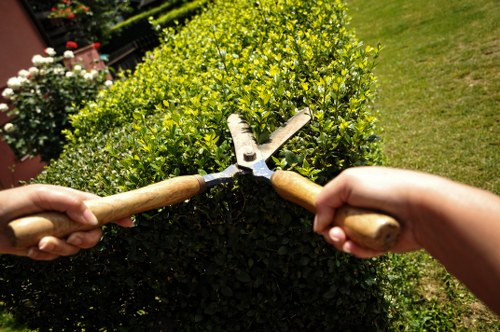
Hedge trimming has a direct effect on the appearance and structure of a garden, especially where a hedge marks a boundary, frames a front drive or shapes the edge of a rear garden. A hedge that is left to run too far can block light, spill into paths and make the whole space feel less ordered. Careful trimming restores definition, keeps growth under control and helps the hedge look deliberate rather than untidy. The aim is not simply to reduce volume, but to maintain shape and balance.
Different hedges call for different approaches. Some need light, frequent attention to preserve a crisp outline; others benefit from more selective reduction to avoid stressing the plant. We can also deal with uneven sections, stray shoots and the sort of overgrowth that changes the look of a front garden from neat to neglected. If hedge work is one of your main concerns, our hedge trimming page gives a clearer view of that service.
Well-managed hedges can support the rest of the garden rather than compete with it. They can soften a fence line, create a clearer edge around lawn or planting areas and improve the overall sense of order. In more compact spaces, this kind of work is especially valuable because a few well-kept lines can make the whole garden feel more intentional. If that sounds like the work you need, the next sensible step is a straightforward quotation request.
Lawn care and the details that affect finish
A lawn is often the first part of a garden people notice, so mowing and general lawn care need to be done with care rather than haste. Regular cutting helps maintain a tidy finish, while attention to edges, clippings and evenness gives the whole space a cleaner look. Depending on the condition of the grass, the job may also involve dealing with overgrowth, improving access around borders and making sure the lawn sits neatly alongside the rest of the garden.
There is more to lawn work than simply taking the height down. The quality of the cut, the direction of mowing, and the way edges are handled all influence the final appearance. A lawn with well-kept borders and clean transitions to paths or beds usually looks more deliberate and easier to maintain later. For more detail on this part of the service, visit our lawn mowing page.
Strong edges and consistent cutting matter because they help the lawn read as part of a wider design rather than an isolated patch of green. If the garden also needs surrounding tidying, we can combine lawn work with other maintenance tasks so the finish feels joined-up. When you know the lawn is the main focus, or one of several items, you can ask for a quotation once you have a clear idea of the space.
Garden clearance for overgrown or cluttered spaces
Garden clearance is the right kind of work when a space has become difficult to manage because of dense growth, accumulated debris or items that are no longer part of the garden’s use. It may involve clearing cuttings, cutting back overgrown planting, removing unwanted material and opening up areas that have lost their shape. The result is often not just tidier, but easier to inspect and plan for future work.
Clearance can be useful before maintenance starts, before landscaping is considered or after a period when the garden has simply not been usable. It may also help when access to paths, beds or structures has been restricted by growth. If you need this sort of reset, our garden clearance page explains the service in more detail and helps you see whether it matches the work required.
Where a garden has been neglected for some time, clearance is often the stage that reveals what is worth keeping and what needs to go. A good clearance job does not rush past the useful features; it removes the congestion first so the remaining structure can be judged properly. That makes it easier to plan follow-on work without guesswork, and it gives the space a more workable starting point.
Landscape gardening for more substantial change

Landscape gardening is the broader service for gardens that need more than regular upkeep. It can involve reshaping parts of the outdoor space, improving layout, adjusting planting areas or introducing new features that make the garden more useful and coherent. For some properties, the work is about softening awkward areas; for others, it is about creating a better balance between open space, planting and access.
Because landscape gardening covers more ambitious changes, it is often best approached with a clear brief and a realistic sense of priorities. You may want one section of the garden improved first, or you may be looking for a fuller plan that changes how the whole space is used. Our landscape gardening page is the best place to explore that wider service if your project goes beyond simple maintenance.
Useful landscape work usually starts with structure: where paths lead, how edges are defined, where planting sits and what should remain open. Once those fundamentals are settled, finer details such as planting choices, finishing touches and transitions between surfaces can be considered. If you are thinking about a garden that feels more complete and less piecemeal, this is the service that brings those ideas together.
Practical landscaping for functional outdoor spaces
Landscaping is often chosen when the garden needs a change in how it works, not just how it looks. That could mean improving the flow between lawn, planting and seating areas, adjusting levels, adding or refining hard landscape features, or making an outdoor space easier to manage in daily life. A successful landscaping project usually balances appearance with use, so the finished result feels intentional and practical.
We can help with a range of landscaping tasks where the aim is to create a more coherent layout and a cleaner finish. In some cases, that means working around existing features; in others, it means removing weak elements and rebuilding the space around stronger ones. To see how that differs from lighter garden improvement work, you can review our landscaping page.
One of the main strengths of landscaping is that it lets you make deliberate choices about what the garden should do. A space that once felt awkward can become easier to use if the circulation, edges and surfaces are reconsidered properly. If your plans involve more than seasonal upkeep, landscaping gives you the scope to turn those ideas into a more settled arrangement.
Decking and the transition between garden areas
Decking can help create a defined outdoor area for sitting, moving between levels or linking different parts of a garden. It is often chosen when a property would benefit from a more structured surface that feels separate from planting or lawn. Well-planned decking can improve the use of an awkward corner, provide a level transition in a sloping space or give the garden a clearer focal point without overwhelming the rest of the layout.
Because decking is part of the garden’s structure, it needs to be considered alongside access, sight lines and the way nearby features are used. A good finish depends on more than the boards themselves; the surrounding layout and the way the deck meets paths, borders or steps matter as well. If decking is one of the options you are considering, our decking services page offers a direct look at what is covered.
When a garden has several competing uses, decking can help organise the space. It creates a distinct area without needing a complete rebuild, and it can sit naturally within a wider landscaping plan or as a standalone improvement. That makes it a useful choice where the aim is to add comfort and clarity rather than simply make a surface look new.
Making informed choices about work, access and scope
Before any gardening work is arranged, it helps to be clear about what needs attention and what outcome matters most. A short list is often enough: lawn cutting, hedge trimming, clearance, border work or a broader landscaping change. If you have photographs, they can help show the size and condition of the space, but they are only one way to explain the job. The more useful detail is often simply what you want the area to look and function like when the work is done.
It is also useful to note anything that affects access or timing, such as gates, surface type, steep sections, awkward corners or areas that should not be disturbed. That does not need to become a long briefing. A clear summary is usually enough to help shape the quotation. If you want to understand how we handle the practical side of enquiries, the most relevant page is our pricing and quotes page.
Plain, specific details make it easier to compare options and avoid unnecessary work. If one section of the garden needs a light tidy while another needs a fuller reset, say so; if the priority is appearance rather than long-term redesign, say that too. The clearer the brief, the easier it is to suggest a sensible way forward and prepare a quotation that fits the job rather than a generic template.
About Stockwell
Stockwell is a district in south London, within the London Borough of Lambeth, positioned between Clapham, Brixton and Vauxhall. Its identity has been shaped by transport, housing growth and successive waves of urban change, with Stockwell Underground station becoming a significant local landmark after the first section of the station opened in 1890 and later connections were added. The area includes a mix of terraces, mansion blocks, post-war estates and later residential development, reflecting the layered pattern typical of inner London neighbourhoods. One of its most recognisable public spaces is Stockwell Green, a historic open area associated with the older village settlement that once stood here. Nearby, the broad green space of Larkhall Park provides a valuable recreational focus, while the Oval, though slightly to the west, helps place Stockwell within a wider landscape of established south London neighbourhoods. The district also has strong cultural associations through its diverse communities, independent shops and long-standing local institutions. Streets around the area show a blend of late Victorian and early twentieth-century housing, while larger roads such as Clapham Road and South Lambeth Road reinforce its role as a well-connected urban place. The result is a neighbourhood that combines everyday residential life with visible traces of earlier settlement and transport history.
Keeping outdoor spaces manageable over time
Once the main structure of a garden is in good shape, the focus often turns to keeping it manageable. That may mean returning to mowing at sensible intervals, trimming hedges before they overrun the boundary, or clearing small amounts of growth before they become a larger task. Regular attention often costs less effort than allowing the same areas to build up again, and it keeps the garden closer to the standard you want.
We can support that through repeat maintenance, seasonal tidy-ups or one-off work when the garden needs a reset after a busy period. The key is to match the level of effort to the condition of the space. A garden with established planting may only need selective intervention, while a more mixed or overgrown area may benefit from a broader tidy before ongoing care starts again. If you would like to see the wider picture of what we can help with, review the about us page and then decide what sort of job best fits your space.
For many customers, the best route is to begin with the immediate priority and then decide whether the garden needs further improvement later. That keeps the process manageable and avoids overcomplicating the first step. If you know what needs attention, you can request a quotation and outline the work in simple terms. Start with the most visible issue, then build from there if the garden needs more than one kind of service.
Planning the next stage of your garden work
A good garden project often moves in stages. The first stage may be basic clearance or maintenance; the next might be hedge trimming, lawn care or structural landscaping; after that, a longer-term plan can be considered if the space needs more change. This staged approach is useful because it keeps the work focused and makes decisions easier. It also helps avoid unnecessary disruption by addressing the most important tasks first.
When you are comparing services, it can help to think about whether the garden needs upkeep, restoration or redesign. Maintenance keeps things in order, clearance removes congestion, landscaping changes how the space functions and decking creates a defined surface for use. Each has a different purpose, and the right choice depends on what the garden is already like. If you are unsure where to begin, a clear description of the current condition is usually enough to point things in the right direction.
For a straightforward next step, send over the basics and ask for a quotation. If you already know the service you need, keep your message brief and specific; if you are still deciding, say which parts of the garden matter most. Either way, the aim is the same: practical gardening services in Stockwell that help the space look better and work better. Request a quotation when you are ready to move forward.