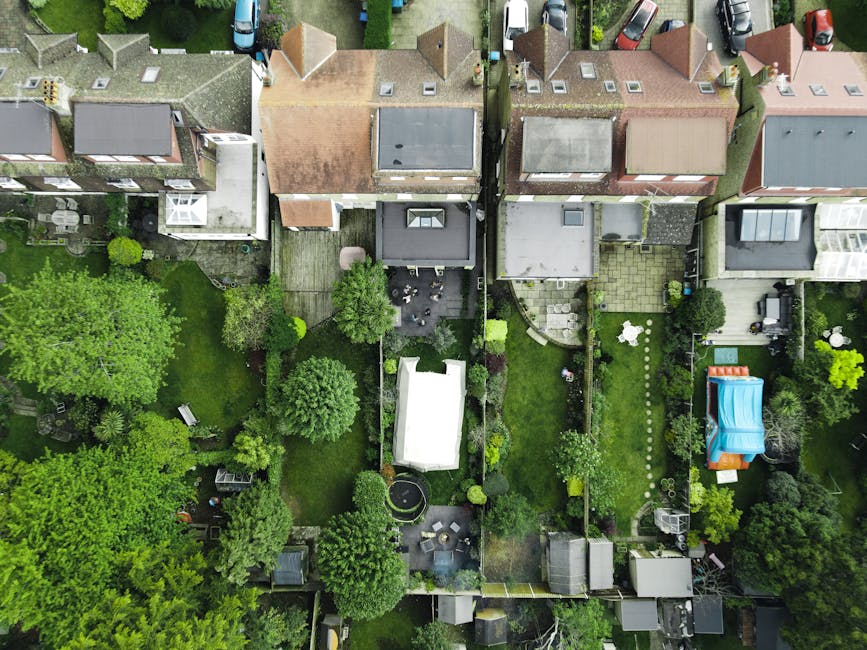
Common shared garden problems Stockwell gardeners fix
Shared gardens can be lovely. They can also become the place where everyone notices the same half-finished jobs: the patchy lawn, the stubborn weeds, the overflowing corner of waste, the hedge that suddenly feels too tall, and the pathway that gets slippery every wet week. If you live in Stockwell and share outdoor space with neighbours, this probably sounds familiar already. The good news is that the most common shared garden problems Stockwell gardeners fix are usually very solvable once someone takes charge, sets a clear plan, and stops the small issues turning into bigger ones.
This guide walks through what usually goes wrong in communal gardens, why it matters, how professional help typically works, and what to do next if your shared outdoor space has started to feel a bit neglected. It is written for real people dealing with real gardens, not perfect brochure lawns. Because let's face it, most shared gardens do not fail all at once; they drift there, little by little.
Why Common shared garden problems Stockwell gardeners fix Matters
A shared garden is not just a patch of green. It is part of how a building feels, how safely people move through it, and how much pride residents take in where they live. When upkeep slips, the same few problems tend to repeat: weeds seed themselves, grass gets long, drainage starts to bog down, hedges spread into walkways, and litter or cuttings linger far too long. One person notices. Then another. Then everyone gets a bit fed up.
In Stockwell, where many homes and flats rely on communal outdoor space, these issues can affect more than appearance. A messy shared garden can create trip hazards, attract pests, make bins and access routes awkward, and reduce privacy. It can also become a sore point between neighbours. Not dramatic, just wearing. You know the feeling.
That is why practical garden maintenance matters. Good shared-garden care is about consistency, sensible planning, and respecting how people actually use the space. If one side wants a low-maintenance tidy courtyard and another wants more planting, a gardener can help bring those expectations into something workable. For larger or more awkward spaces, a broader approach such as garden maintenance or even landscaping can make the difference between a garden that is merely surviving and one that feels properly cared for.
There is also a neighbourly side to all this. A well-kept shared garden tends to reduce complaints, improve day-to-day enjoyment, and make people more willing to contribute fairly. That sounds simple, but it is a big deal in practice.
How Common shared garden problems Stockwell gardeners fix Works
Most shared garden repairs and tidy-ups follow a fairly predictable pattern. First, the gardener looks at the whole space, not just the worst corner. Then they separate urgent issues from cosmetic ones. A dead shrub is one thing. A broken fence panel leaning into a path is another. The job is then broken into tasks that can be handled cleanly and in the right order.
In a normal shared-garden visit, you would often see work such as grass cutting, weed removal, hedge trimming, pruning, leaf clearance, border reshaping, waste bagging, and basic reset work. If the area has been neglected, the first visit may be more about recovery than maintenance. That can include garden clearance to remove old cuttings, rotten pots, broken items, and general clutter before routine care can begin.
There is a useful difference here between a one-off tidy and an ongoing arrangement. A one-off service gets the space back under control. Ongoing care keeps it there. Truth be told, shared gardens usually need both at different points in the year.
Professional gardeners also tend to work around access. Shared space can mean locked gates, awkward stair access, narrow side passages, or the need to avoid disturbing residents during certain hours. Good planning matters because the job is not just about cutting and clearing. It is about getting in, doing the work without chaos, and leaving the garden safe and usable.
When there are trees that block light or drop heavy leaf litter, the job may involve specialist attention. In those cases, careful tree lopping and removal may be part of the wider solution, though only where appropriate and after assessing the tree's condition and the risks involved.
Key Benefits and Practical Advantages
Fixing shared-garden problems is not just about making things look neat. It delivers practical benefits that residents feel very quickly.
- Better day-to-day use: Clear paths, trimmed edges, and tidy borders make the garden easier to walk through and enjoy.
- Less neighbour friction: A maintained space gives fewer reasons for complaints and awkward messages in the group chat.
- Reduced safety risks: Tidy surfaces and controlled growth mean fewer trip hazards, hidden debris, and slippery build-ups.
- Improved privacy and comfort: Managed hedges and planting can make a garden feel calmer and less exposed.
- Healthier planting: Regular care supports shrubs, lawns, and beds more effectively than occasional rescue work.
- Longer-term savings: Preventing neglect is usually cheaper than tackling a garden that has been left to run wild for months.
There is another advantage people often miss: shared gardens are easier to maintain once the structure is right. If beds are overcomplicated, lawns are cut around too many edges, or access routes are messy, everyone feels the strain. Simplicity helps. A cleaner layout, sensible planting, and a realistic maintenance plan usually beat flashy ideas that nobody wants to look after.
If you are trying to understand the wider service picture before deciding what kind of help you need, a good place to start is the services overview. It gives a clearer sense of how maintenance, clearance, hedge work, and landscaping fit together.
Expert summary: In shared gardens, the best results usually come from consistency rather than intensity. A steady, practical maintenance plan almost always works better than occasional "big fix" jobs that leave the space forgotten again.
Who This Is For and When It Makes Sense
This kind of garden support is useful for a wide range of people. You may need it if you are a leaseholder, a landlord, a managing agent, a housing association representative, or simply the neighbour who keeps ending up as the unofficial organiser. Happens all the time.
It makes sense when:
- the garden is shared by several households and nobody wants sole responsibility
- the grass, hedges, or beds are getting too much for residents to maintain safely
- the space has been neglected after a tenancy change, absence, or busy season
- residents want the garden usable again before spring, summer, or a family event
- there are access problems, overgrowth, or rubbish that need professional attention
- neighbour disagreements are starting to build around appearance or upkeep
There is also a timing element. Early spring and late autumn are common pinch points, but shared gardens can need attention all year. In warmer months, weeds and grass growth tend to ramp up. In wetter months, leaves and mud create different problems. A damp London morning can turn a fairly tidy path into a slippery nuisance by lunchtime.
If your shared space includes fencing, hard edges, steps, or wooden features, a gardener or landscaper may suggest small improvements alongside the maintenance work. That could mean reworking borders, improving drainage, or looking at practical upgrades such as decking services where a durable surface would be more useful than a muddy patch.
Step-by-Step Guidance
If your shared garden has become a problem, do not try to fix everything in one emotional burst on a Sunday afternoon. Start with a structured approach. It is calmer, and much more effective.
- Walk the whole space. Look for obvious issues: overgrown hedges, weeds, broken items, leaf build-up, blocked drains, damaged edges, and unsafe surfaces.
- Separate urgent from non-urgent work. Safety issues and access problems come first. Cosmetic tidying can wait a little.
- Identify who is responsible. In shared properties, it helps to know whether upkeep sits with residents, a landlord, a managing agent, or a committee.
- Decide what can be maintained regularly. A lawn that needs cutting every week is not the same as a courtyard that only needs seasonal care.
- Book the initial reset. This may include clearance, hedge trimming, pruning, and waste removal to make the space manageable again.
- Set a repeat schedule. That could be fortnightly, monthly, or seasonal, depending on growth and usage.
- Review the layout. If the garden is hard to keep tidy, ask whether the design itself is the problem.
A practical example: if bin bags, old plant pots, and broken garden furniture keep collecting in the same corner, that is not just "mess". It usually means the area needs a better system, or the corner itself should be cleared and repurposed. Sometimes a problem is really a layout issue wearing a disguise.
Regular upkeep is easier once the first deep clean has been done. That is why a lot of shared spaces benefit from pairing a reset with ongoing lawn mowing or a scheduled trim service rather than treating each season as a fresh disaster.
Expert Tips for Better Results
Here are a few things that tend to make the biggest difference in shared gardens, especially in London properties where space is tight and nobody wants unnecessary mess.
Keep the design simple
The more corners, awkward beds, and unreachable strips you have, the faster maintenance becomes a chore. Simple borders and clear access paths are kinder to the people doing the work and the residents using the garden.
Match the maintenance level to real life
A shared garden should suit the people who live with it. If residents are busy, choose planting and materials that do not demand constant attention. Fancy planting schemes are great right up until nobody waters them. Then, well, they become an expensive regret.
Trim before things become a problem
Hedges and shrubs are easier to manage if they are cut before they become overlarge. Keeping them on a rhythm reduces the need for aggressive cutting later. This is where a service like hedge trimming can keep the garden neat without creating harsh gaps or stressed plants.
Make waste removal part of the job
Clippings, sacks, old compost, broken planters, and deadwood can make a tidy job look unfinished if they are left behind. Make sure the plan includes removal and disposal, not just cutting.
Use seasonal thinking
What a shared garden needs in March is not the same as what it needs in November. A maintenance plan should follow the growing season, the leaf fall, and the weather. Simple enough, but often overlooked.
Ask for a clear scope
If several people share the cost, everybody needs to know what is included. A vague "tidy up" can mean very different things to different people. A clear list saves headaches later on.
Common Mistakes to Avoid
Shared garden problems often stick around because the same few mistakes keep happening. Here are the big ones.
- Waiting too long: A small weed problem becomes a border problem. A border problem becomes a full clearance job.
- Trying to do everything at once: This usually leads to burnout, inconsistent results, and a half-finished garden.
- Ignoring access routes: It is easy to focus on flowerbeds and forget the path that everyone actually walks on.
- Cutting hedges too hard: Overcutting can leave plants thin, brown, or uneven for months.
- Leaving decisions vague: If nobody knows who signs off the work, things drift.
- Choosing style over practicality: A beautiful idea that cannot be maintained in a shared setting is not really a good idea.
One especially common issue is assuming the garden only needs attention when it looks bad. In reality, a lot of communal outdoor problems start while the space still looks "mostly fine". That quiet stage is where you save money and avoid drama.
Tools, Resources and Recommendations
The right tools matter, but shared gardens also need the right approach. For routine work, professional gardeners may use lawn mowers, line trimmers, secateurs, hedge cutters, leaf collectors, and waste bags or bins suitable for site conditions. For larger spaces, transport and disposal logistics become just as important as cutting tools.
Useful practical recommendations include:
- keep a simple maintenance log so residents can see what was last done
- take photos before and after a reset so everyone understands the improvement
- agree on a contact person for garden decisions
- separate decorative planting from hard-wearing areas where people walk or gather
- choose surfaces and borders that can cope with regular foot traffic
If you are comparing providers, it can help to look at how they explain quotes, timing, and site access. A clear pricing approach usually signals a more organised service. You may also want to check the company's pricing and quotes information before booking, especially if the garden needs a one-off reset followed by ongoing work.
For properties where the outdoor area is difficult to reach or the cleanup is extensive, it is worth checking whether a provider offers the sort of tidy-up and disposal support described in their recycling and sustainability approach. That can matter more than people expect, particularly after a big clearance.
Law, Compliance, Standards, or Best Practice
Shared gardens sit in a fairly practical world: access, safety, responsibility, and neighbour cooperation. You usually do not need to overcomplicate it, but it is sensible to follow accepted best practice. In the UK, that generally means keeping communal areas reasonably safe, not blocking access, and making sure work is carried out with appropriate care. If there are leasehold arrangements, estate rules, or managing-agent instructions, those should be followed too.
For anything involving trees, structures, steep access, or tools used near residents, safety should come first. Good providers will take care around working areas, keep pathways clear, and avoid leaving hazards behind. It is also wise to confirm public liability insurance and basic risk awareness before anyone starts major work. The difference is not just paperwork; it is peace of mind.
There is also a sustainability angle. Many London residents prefer waste to be handled responsibly, with green waste recycled where possible. A sensible operator should be able to explain how waste is removed and handled in a straightforward way, without jargon.
If you want to understand how a company approaches safety and reassurance in general, the pages on insurance and safety and health and safety policy are useful trust signals. Not glamorous, perhaps, but very relevant when people are sharing the same space.
Options, Methods, or Comparison Table
Different shared-garden situations call for different levels of help. Here is a simple comparison to make the choice clearer.
| Approach | Best for | What it usually includes | Main limitation |
|---|---|---|---|
| One-off tidy-up | Garden looks untidy but is broadly manageable | Weeding, cutting back, litter pick, basic reset | Problems return if nothing is scheduled afterwards |
| Garden clearance | Overgrown, cluttered, or neglected shared space | Removal of waste, dead growth, old items, and debris | Does not replace ongoing maintenance |
| Regular maintenance | Shared gardens that need steady care | Grass cutting, hedge trimming, pruning, edging, seasonal tidy | Needs agreed access and consistent budgeting |
| Landscape improvements | Spaces that are awkward to use or hard to maintain | Layout changes, planting changes, surface improvements | Requires more planning and usually a higher initial spend |
In many cases, the best answer is a combination: a reset first, then regular maintenance. That sounds boring, maybe, but boring is excellent when the goal is a calm, tidy shared garden.
Case Study or Real-World Example
Imagine a small Stockwell terrace with a shared back garden used by three households. For months, the space was passed over because everyone thought someone else would handle it. The lawn had become patchy, weeds had crept into the borders, a hedge had spread over the path, and an old stack of broken pots sat beside the fence. Nothing looked catastrophic at first glance. Just messy. But it was enough to make people avoid using the garden.
The fix was straightforward. First came a full reset: clearance of dead material and clutter, cutting back the hedge, edging the lawn, and removing obvious hazards. Then the residents agreed on a maintenance rhythm that matched how they actually used the garden. No grand redesign. No impossible planting scheme. Just a practical plan and a little consistency.
Within a short time, the garden felt usable again. People started sitting out there in the late afternoon, watering a couple of borders, and noticing when things needed a quick tidy before they became a problem. That is usually the real win: the garden stops being a source of friction and goes back to being part of the home.
Practical Checklist
Use this checklist before you book help or start a shared-garden reset.
- Check whether the issue is mainly maintenance, clearance, or a layout problem.
- Walk the entire garden, including paths, side access, bins, and boundary edges.
- List the urgent safety concerns first.
- Note any hedge, tree, or overgrowth issues that affect light or access.
- Agree who is responsible for authorising the work.
- Decide whether you need a one-off tidy or a recurring service.
- Ask how waste will be removed and disposed of.
- Confirm whether the provider can work around resident access needs.
- Keep photos before and after the work.
- Set a realistic maintenance schedule so the problem does not return in three weeks.
If you can tick most of those boxes, the job becomes much easier. If not, that is fine too. It just means the space needs a bit more planning, not more stress.
Conclusion
Shared gardens are rarely ruined by one huge mistake. More often, they drift into trouble through small delays, unclear responsibility, and a bit of everyone assuming someone else will sort it out. The common shared garden problems Stockwell gardeners fix are usually the same kinds of issues over and over: overgrowth, weeds, clutter, poor access, tired lawns, awkward boundaries, and the steady build-up of little jobs nobody wanted to own.
The encouraging part is that these problems are very fixable. With a sensible reset, a clear plan, and routine care that suits the space, even a neglected communal garden can become a place people actually want to use again. That first tidy-up can feel like a relief. A proper breath out, really.
If your shared outdoor space has started to feel awkward, messy, or harder to manage than it should be, the next step is simple: get a clear view of what needs doing, then choose the kind of help that matches the job. A well-kept garden makes daily life easier, calmer, and just a bit nicer. And that counts for a lot.
Get a free quote today and see how much you can save.
Frequently Asked Questions
What are the most common shared garden problems in Stockwell?
The most common issues are overgrown grass, weeds, untidy borders, hedge growth blocking paths, leaf build-up, and dumped garden waste. In shared spaces, access and responsibility problems often sit behind the mess as well.
Can a gardener help with both clearance and ongoing maintenance?
Yes. That is often the best setup. A first visit clears the space and restores order, then regular maintenance keeps it under control. Without both, the garden can slip back quite quickly.
How do I know whether my shared garden needs clearance or just a tidy-up?
If the garden has clutter, broken items, heavy overgrowth, or long-neglected areas, clearance is usually the better starting point. If the space is broadly healthy but untidy, a standard tidy-up or maintenance visit may be enough.
What should be included in a shared garden maintenance plan?
A good plan usually covers lawn care, hedge trimming, weed control, edging, seasonal clearance, and waste removal. It should also say how often the work happens and who is responsible for booking it.
How often should a shared garden be maintained?
That depends on the size of the garden and how fast it grows, but many shared spaces need at least seasonal attention, and some need monthly or fortnightly visits during the growing season.
Can overgrown hedges and shrubs be a safety issue?
Yes. They can block sightlines, reduce access, hide trip hazards, and make paths harder to use. They can also make the garden feel cramped and unwelcoming, which is not ideal in shared housing.
What if neighbours disagree about how the garden should look?
It helps to agree on the practical basics first: safety, access, and maintenance. After that, you can decide whether the garden should be more decorative or more low-maintenance. Shared spaces work best when the plan is realistic for everyone.
Do I need permission before changing a shared garden?
Often, yes, especially in leasehold, managed, or rented properties. The exact process depends on the property arrangement, but it is wise to check before making any structural or design changes.
Is a one-off garden clearance enough?
Sometimes, but not always. If the space was only neglected temporarily, a one-off clearance may do the trick. If the same issues keep returning, ongoing maintenance is usually the smarter choice.
What should I ask before hiring someone for a shared garden?
Ask what is included, how waste will be removed, whether they can work with shared access, how they handle safety, and whether they offer maintenance as well as clearance. Clear answers are a good sign.
How do I stop the same problems coming back?
Keep the layout simple, agree a realistic care schedule, remove waste promptly, and avoid letting hedge or lawn work drift too long. Most repeat problems come from delay, not bad luck.
Where can I learn more about the services available?
It is worth reviewing the site's services overview and related pages such as garden maintenance and garden clearance so you can match the right service to the actual problem.