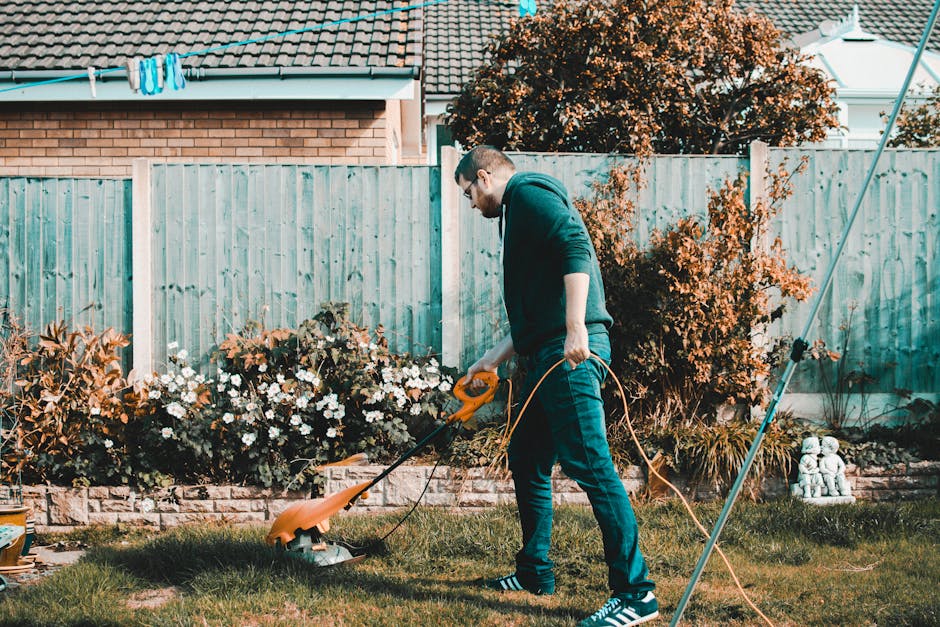
DIY vs professional gardeners Stockwell cost comparison

If you are weighing up DIY vs professional gardeners Stockwell cost comparison, you are probably trying to answer a very ordinary question with a not-so-ordinary number attached to it: is it cheaper to do the work yourself, or to pay someone who can get it done properly the first time? In Stockwell, where gardens range from tidy terraces to compact courtyards and shared outdoor spaces, the answer depends on more than just labour. It depends on tools, time, garden size, access, waste removal, and how much you value a weekend that is not swallowed by hedge clippings and muddy boots.
This guide breaks down the real-world costs, hidden extras, and practical trade-offs so you can make a sensible choice. We will look at what DIY really costs, when a professional gardener makes better financial sense, and how to compare like for like without fooling yourself with half the numbers. Truth be told, that is where most people go wrong.
Whether you need one-off tidy-up work, ongoing garden maintenance, or a bigger seasonal reset, the goal is simple: help you spend wisely and avoid paying twice.
One quick note before we begin: this is about cost comparison, not just sticker price. Cheap is not always cheap. And "I'll do it myself" can quietly turn into three trips to the garden centre and a sore back by Sunday evening.
- Why this comparison matters
- How DIY and professional gardening costs add up
- Benefits of each option
- Who each option suits best
- How to compare costs step by step
- Expert tips for better value
- Common mistakes to avoid
- Tools, resources and recommendations
- Law, compliance and best practice
- DIY vs professional comparison table
- Real-world example
- Practical checklist
- Conclusion
- Frequently asked questions
Why DIY vs professional gardeners Stockwell cost comparison Matters
The difference between doing garden work yourself and hiring a professional is not just about money out of pocket. It affects your time, stress, finish quality, safety, and even how often the job needs repeating. A rushed DIY mow may look fine for a week. A properly cut lawn with edging, aeration, and cleanup can look better for longer and often needs less fiddling afterwards.
In Stockwell, that matters because many gardens are compact but fiddly. Narrow side passages, basement access, limited storage for tools, shared boundaries, and the simple fact that London weather can change its mind in ten minutes all make "quick and easy" feel less quick than expected. If you are comparing a Saturday spent working against a professional visit, you need to factor in the invisible costs too.
For example, if you buy a hedge trimmer, fuel, gloves, feed, bags, and maybe a new rake because the old one bent in half, the DIY bill starts creeping up. Add your own time, and the picture changes again. On the other hand, professional gardeners usually arrive with the right tools, the disposal plan, and the experience to spot problems early. That can prevent small jobs turning into larger ones later. Not always, but often enough to matter.
This is also where better planning helps. A clear service menu, such as services overview, makes it easier to compare what is included, rather than guessing from a vague quote. And yes, the "included" bit is where the real cost lives.
How DIY vs professional gardeners Stockwell cost comparison Works
To compare the two properly, you have to look at the work in components. That sounds a bit dry, but it is the only honest way to do it.
What DIY gardening costs usually include
- Tools and equipment: mower, trimmer, shears, spade, fork, rake, gloves, bags, wheelbarrow, and sometimes a strimmer or pressure washer.
- Consumables: compost, topsoil, fertiliser, lawn seed, weed control products, plant feed, and replacement blades or fuel.
- Waste handling: sacks, composting, council disposal, or multiple trips to a tip.
- Your time: planning, buying, doing the work, tidying up, and often redoing something that did not quite come out right.
- Risk of mistakes: overcutting a hedge, damaging turf, pruning at the wrong time, or misjudging how much clearance is safe.
What professional gardening costs usually include
- Labour: skilled work done efficiently.
- Equipment: the gardener brings the right tools.
- Experience: faster decisions, better technique, and fewer avoidable errors.
- Waste removal or tidying: often included, but not always, so it must be checked.
- Insurance and overheads: a professional business has real operating costs, which are built into the price.
The practical difference is this: DIY looks cheaper when you only count the materials. Professional work looks more expensive until you count the full cost of doing it yourself. That is why some people are surprised when the numbers feel closer than expected. Sometimes the gap is modest. Sometimes it is not. It depends on the size of the job and how often it needs repeating.
A sensible comparison also separates one-off tasks from ongoing work. A single lawn mow is not the same as a full seasonal tidy or regular maintenance. If you need recurring support, professional lawn mowing or scheduled upkeep can become better value than piecemeal DIY, especially if your own time is limited.
Key Benefits and Practical Advantages
There are good reasons people choose either route. The best option is usually the one that fits the garden, the budget, and your tolerance for faff. And let's face it, some weekends are already busy enough.
Benefits of DIY gardening
- Lower upfront spend: if you already own tools, DIY can be the cheapest immediate option.
- Flexible timing: you can work in small bursts and around your own schedule.
- Personal control: you decide exactly how the garden should look.
- Useful for light upkeep: small weeding, deadheading, watering, and simple pruning are often very manageable.
- Learning curve: for keen gardeners, DIY can be satisfying and genuinely enjoyable.
Benefits of hiring professional gardeners
- Time savings: what takes you all day may take a professional a fraction of that time.
- Better finish: professionals know the small details that make a garden look crisp rather than merely cut.
- Less risk: reduced chance of damaging plants, fences, paving, or yourself.
- Handling bigger jobs: overgrown hedges, dense borders, and large clearances are far easier with help.
- Waste management: fewer bags, fewer trips, fewer headaches.
There is also a quieter advantage people miss: consistency. If you use professional help for repeat visits, the garden tends to stay under control rather than bouncing between "manageable" and "slightly wild." That rhythm matters in a busy area like Stockwell, where outdoor space is often small but used hard. One missed month can make a surprising difference.
If you are managing a shared courtyard or a property with multiple users, services like garden clearance can also be more practical than asking neighbours to coordinate a DIY clean-up that never quite happens. We have all seen that project.
Who This Is For and When It Makes Sense
This decision is not the same for every garden owner. Some people genuinely should do the work themselves. Others will save time, money, and a bit of sanity by hiring help.
DIY usually makes sense if:
- Your garden is small and straightforward.
- You already own basic tools.
- The work is light, such as weeding, watering, deadheading, or minor pruning.
- You enjoy gardening and do not mind doing a little at a time.
- Your budget is tight and you can spread the work over several weekends.
Professional gardeners usually make sense if:
- The garden is overgrown or neglected.
- You need heavy lifting, large waste removal, or skilled shaping.
- You are short on time and need results quickly.
- You want a more polished finish for a rental, sale, or family event.
- You are dealing with trees, high hedges, or awkward access.
A good rule of thumb: if the job needs specialist equipment, a second pair of hands, or a full afternoon that you do not really have, the professional option starts looking sensible very quickly. Especially in London, where time has a habit of evaporating.
If your property needs more than simple upkeep, it may be worth looking at landscape gardening or landscaping rather than patchwork DIY fixes. Not every garden problem is a shovel-and-hope situation.
Step-by-Step Guidance
If you want a proper comparison rather than a guess, use this process. It takes a little time, but it saves far more than it costs.
- List the actual tasks. Write down exactly what needs doing: mowing, hedge trimming, weeding, border clearing, pruning, leaf clearance, waste removal, and so on.
- Measure the scale. Estimate the lawn size, hedge length, or number of beds. Even rough measurements help.
- Check what you already own. A person with a good mower and trimmer has a different DIY cost base than someone starting from zero.
- Add consumables. Include compost, feed, soil, fuel, bags, and replacement parts.
- Estimate your time honestly. If you expect a job to take three hours but it always takes six, use six. Be fair to yourself.
- Include disposal costs. Do not forget the green waste. That is where plenty of DIY budgets quietly drift away.
- Ask for a professional quote. Compare a like-for-like service, not a vague "garden tidy" against a detailed DIY plan.
- Weigh value, not just price. Consider finish, speed, repeat visits, and the risk of mistakes.
A helpful trick is to compare the cost per month of keeping the garden under control. That can reveal that a modest recurring professional visit is less expensive than letting the garden get out of hand and paying for a bigger reset later. It sounds obvious when written down, but in real life people often forget it until the brambles start winning.
If you are looking for transparent pricing structure and what to expect from a quote, the page on pricing and quotes is a useful place to start. Clear pricing beats guesswork every time.
Expert Tips for Better Results
Here is the practical stuff that tends to save money or improve outcomes. No fluff.
1. Split urgent work from cosmetic work
Start with safety and control: cutting back obstructive growth, clearing access, and dealing with anything that is causing damage or risk. Then decide what is purely visual. That keeps the budget focused where it matters.
2. Bundle jobs together
If you are already hiring help, combine tasks such as hedge trimming, lawn mowing, and clearance in one visit. Travel and setup time can make small separate jobs poor value. A single bigger visit is often more efficient.
3. Protect the jobs you can do well yourself
You do not need to outsource everything. Watering, deadheading, sweeping, and light weeding are often easy DIY wins. Save the professional budget for tasks where experience matters most.
4. Think seasonally, not reactively
Spring and early summer can be a good time for growth management, while autumn often calls for leaf clearance and tidy-up work. If you wait until the garden is visibly struggling, the job usually gets harder and pricier. Funny how that works.
5. Ask what happens to waste
It sounds small, but waste handling changes the whole price. If a quote includes collection and disposal, you are comparing a complete service. If not, make sure you price the bags and trips yourself.
6. Get clarity on scope
A tidy border and a full clear-out are not the same thing. Neither is trimming a hedge lightly versus reducing it significantly. The clearer the scope, the less likely you are to get surprised later.
Common Mistakes to Avoid
The biggest mistakes are rarely dramatic. They are the quiet, sneaky ones that make the final bill or workload bigger than expected.
- Only comparing labour. DIY labour is not free if it costs you half your weekend.
- Ignoring equipment costs. Buying decent tools can wipe out the savings on a small job.
- Forgetting waste disposal. Green waste adds up quickly, especially after a clearance.
- Underestimating access issues. Tight entrances and shared paths can slow everything down.
- Assuming all quotes include the same things. They rarely do.
- Pruning without knowing the plant. Some shrubs and trees respond badly if cut at the wrong time.
- Leaving a neglected garden too long. A small problem becomes a much larger and more expensive one.
One very common scenario: someone buys a cheap tool to save money, uses it once or twice, then discovers it is not quite right for the job. The "bargain" ends up in the shed, leaning at a sad angle. We have all got at least one of those, to be fair.
For bigger or messier jobs, professional clearance can be the better cost choice. If your space has been left a little too long, garden clearance can be cheaper in the end than trying to tackle an overgrown patch in bits and pieces.
Tools, Resources and Recommendations
If you are leaning toward DIY, the right tools make a bigger difference than most people expect. A basic kit is fine for maintenance. For anything more demanding, quality matters.
Useful DIY tools
- Hand shears and secateurs for precise trimming
- A mower suited to the size of the lawn
- A sturdy rake for leaves and thatch
- Heavy-duty gloves and garden bags
- A spade, fork, hand trowel, and weeding tool
- A hedge trimmer or strimmer if the garden needs regular shaping
When professional tools are worth paying for
If the job involves tall hedges, dense overgrowth, awkward slopes, or tree work, professional-grade equipment is not just convenient; it is often essential. That is especially true for tasks such as hedge trimming and tree lopping and removal, where the risk of poor cuts or unsafe handling is much higher.
Helpful service types to consider
- Lawn mowing for routine control
- Garden maintenance for ongoing care
- Garden clearance for neglected or seasonal resets
- Recycling and sustainability if you want waste handled more responsibly
If you are unsure what level of support you need, a broader services overview can help you match the task to the right service rather than paying for too much or trying to do too much yourself.
Law, Compliance, Standards, or Best Practice
For most everyday gardening, there is no complicated legal maze to untangle. Still, best practice matters, especially where safety, waste, and neighbour relations are concerned. In the UK, you should always use care when handling tools, disposing of waste, or working near shared boundaries. If a task involves trees, larger limbs, fences, or anything near utilities, do not guess. Get the right support.
Professionals should also carry suitable insurance and follow safe working practices. That matters to you as the customer because it reduces risk if something goes wrong. You do not need to inspect every item of paperwork, but it is sensible to choose a provider who can talk confidently about insurance and safety and has a clear health and safety policy.
Waste handling deserves a mention too. Garden waste should be disposed of responsibly, and a provider that can explain its process clearly is usually a safer choice than one that leaves you guessing. If sustainability matters to you, ask how green waste is managed and whether materials can be recycled where appropriate.
There is also the practical side of customer trust. A transparent terms and conditions page, a fair complaints process, and clear payment information are all signs that a business runs properly rather than by winging it. That may sound dull, but dull is good when money and property are involved.
Options, Methods, or Comparison Table
Here is a simple side-by-side view to help you weigh the real trade-offs. These are general comparisons, not fixed prices, because the actual cost depends on the garden and the work involved.
| Factor | DIY gardening | Professional gardeners |
|---|---|---|
| Upfront cash cost | Usually lower if you already have tools | Usually higher because labour is included |
| Time required | Often much higher | Usually much lower for you |
| Finish quality | Depends on your skill and tools | Usually more consistent and polished |
| Waste removal | You manage it yourself | Often included or easier to arrange |
| Risk of mistakes | Higher if you are inexperienced | Lower due to experience |
| Best for | Light upkeep and small gardens | Overgrown, awkward, or time-sensitive work |
| Cost control | Can be cheap if you are careful | Better for predictable, all-in pricing |
If you prefer a more hands-on approach but still need help with specific jobs, a hybrid approach can work well: DIY the light stuff, hire out the heavy lifting. That middle ground often gives the best value.
Case Study or Real-World Example
Imagine a typical Stockwell terrace garden: a small lawn, two borders, a medium hedge, and a back corner full of leaves and cuttings from previous seasons. The owner has a mower, a pair of shears, and a free Saturday. On paper, DIY looks simple.
In practice, the mower needs a sharpened blade, the hedge is thicker than expected, the back corner contains a surprising amount of old garden debris, and the bags keep multiplying. By late afternoon, the garden looks better, but not finished. There is still the waste to deal with, and the hedge is cut okay rather than neatly. Not a disaster. Just not quite the victory it sounded like in the morning.
Now compare that with a professional visit. The gardener arrives with the right tools, clears the area efficiently, trims the hedge cleanly, mows the lawn, and bags the waste. The job costs more upfront, but the work is finished in one go and the result lasts longer because the details were handled properly.
The lesson is not that DIY is bad. It is that the cheapest-looking option can lose value once you factor in time, effort, and repeat work. If the task is light, DIY wins. If the job is awkward, heavy, or overdue, professional help often ends up being the more cost-effective choice.
For gardens that need a broader reset or repeated upkeep, the combination of clearance and ongoing maintenance is often the smartest route. Clean slate, then keep it manageable. Simple, really.
Practical Checklist
Use this before you choose DIY or a professional gardener in Stockwell.
- Have I listed every task that needs doing?
- Do I already own the tools I need?
- Have I priced consumables and waste disposal?
- Do I know how long the job will realistically take?
- Is the work safe for me to do without specialist equipment?
- Would a professional finish save me time or reduce repeat work?
- Is the garden overgrown, awkward, or time-sensitive?
- Have I checked whether the quote includes cleanup and disposal?
- Do I want ongoing maintenance rather than a one-off tidy?
- Have I compared the full value, not just the headline price?
If you can answer most of those clearly, your decision gets much easier. If not, that is usually a sign that a quick conversation with a professional would be worth it.
Conclusion
The real answer in the DIY vs professional gardeners Stockwell cost comparison is not "one is always cheaper." It is that each option has a different kind of cost. DIY usually wins on upfront spend and flexibility. Professional gardening often wins on speed, finish, safety, and total value when the job is bigger or more complicated than it first appears.
If your garden is small, manageable, and already under control, DIY can be a perfectly sensible choice. If it needs proper clearing, skilled trimming, or repeat upkeep, paying for a professional may save you more than money. It may save your Saturday too, which counts for quite a lot in our book.
Get a free quote today and see how much you can save.
In the end, the best choice is the one that leaves your garden looking good without leaving you worn out. That is the real win.
Frequently Asked Questions
Is DIY gardening always cheaper than hiring a professional in Stockwell?
Not always. DIY can be cheaper for small, light jobs if you already own the tools. Once you factor in equipment, waste disposal, time, and the chance of mistakes, professional help can sometimes be better value.
What jobs are usually best left to professional gardeners?
Overgrown clearances, tall hedge work, awkward access jobs, tree-related work, and anything that needs specialist equipment are often better handled by professionals. They are also a good choice when you need a neat finish quickly.
How do I compare a DIY cost with a gardener's quote?
List materials, tools, fuel, waste bags, and your estimated time for DIY. Then compare that total with a professional quote that includes labour, equipment, and disposal. Make sure you are comparing the same scope of work.
Are professional gardeners worth it for small gardens?
Yes, sometimes. Small gardens can still be fiddly, especially if access is tight or the space needs regular upkeep. If the work is simple, DIY may suit better. If not, professional help can save a lot of hassle.
Does a professional gardener usually include waste removal?
Sometimes, but not always. Always check. Waste handling can materially affect the price, so it should be included in the comparison before you decide.
What is the main hidden cost of DIY gardening?
The biggest hidden cost is usually time, followed by tools and disposal. A job that seems quick on paper can expand into a whole afternoon, especially if you need to buy supplies or correct mistakes.
How often should a garden in Stockwell be maintained?
That depends on the garden, the season, and how fast things grow. Many gardens benefit from regular light maintenance rather than waiting for a major tidy-up. Smaller, consistent visits often cost less over time.
Can I do the easy gardening work myself and hire help for the hard parts?
Absolutely. That hybrid approach is often the best value. You can handle watering, deadheading, or light weeding and pay a professional for clearance, hedges, or heavier maintenance.
What should I ask before booking a gardener?
Ask what is included, whether waste removal is covered, how pricing works, whether the gardener is insured, and what happens if the job turns out to be bigger than expected. Clear answers usually mean fewer surprises.
Why do some gardening jobs cost more than expected?
Access issues, extra waste, dense overgrowth, and hidden scope are common reasons. A hedge that looks simple from the outside may take much longer once the work begins. It happens more often than people think.
Is it better to get regular garden maintenance or one-off visits?
Regular maintenance usually keeps costs steadier and prevents larger jobs from building up. One-off visits are useful for resets, but if your garden grows quickly, ongoing care often works out better.
How do I know whether I need garden clearance or basic maintenance?
If the space is overgrown, cluttered, or hard to move around in, clearance is probably the better starting point. If the garden is already under control and just needs tidying, maintenance is usually enough.
For a clearer picture of service levels and what each job may involve, you can also review the company's pricing and quotes guidance before making a decision.