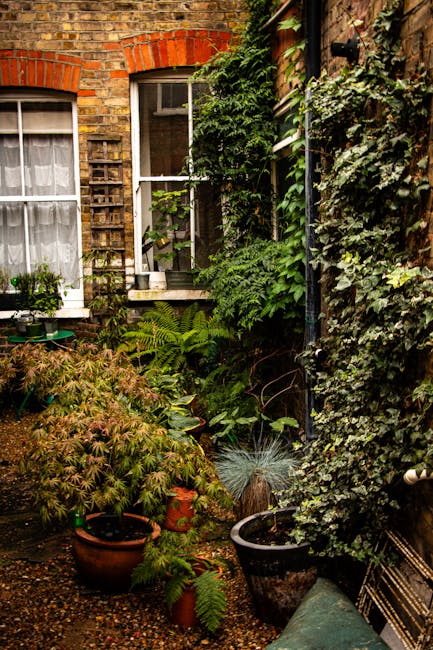
Gardeners for Stockwell Park Estate communal courtyards
Shared courtyards have a funny way of revealing everything at once. One week they look calm and inviting; the next, a few weeds, some overgrown edges, and a missed bin-day spill make the whole place feel tired. If you manage or live in Stockwell Park Estate, finding the right gardeners for Stockwell Park Estate communal courtyards is less about making things pretty for a day and more about keeping a shared space safe, presentable, and easy to live with all year round.
This guide breaks down what professional communal courtyard gardening actually involves, why it matters, how it works in practice, and how to choose a service that understands the realities of London communal spaces. You will also find a step-by-step process, common mistakes, a practical checklist, and a clear FAQ section for the questions people usually ask once they realise the courtyard needs more than an occasional tidy-up.
Table of Contents
- Why Gardeners for Stockwell Park Estate communal courtyards Matters
- How Gardeners for Stockwell Park Estate communal courtyards Works
- Key Benefits and Practical Advantages
- Who This Is For and When It Makes Sense
- Step-by-Step Guidance
- Expert Tips for Better Results
- Common Mistakes to Avoid
- Tools, Resources and Recommendations
- Law, Compliance, Standards, or Best Practice
- Options, Methods, or Comparison Table
- Case Study or Real-World Example
- Practical Checklist
- Conclusion
- Frequently Asked Questions
Why Gardeners for Stockwell Park Estate communal courtyards Matters
Communal courtyards do more than fill space between buildings. They shape how an estate feels when residents come home, when visitors arrive, and when people pass through on a grey Tuesday morning with shopping bags in hand. A well-kept courtyard signals care. A neglected one does the opposite, and let's face it, people notice quickly.
For Stockwell Park Estate, the challenge is not just keeping plants alive. Shared courtyards have mixed use, mixed traffic, and mixed expectations. Some residents want a calm, green retreat. Others need practical access routes kept clear. Building managers often need a routine that balances both without creating noise, disruption, or endless complaints. That is where experienced gardeners earn their keep.
Good communal courtyard maintenance is about consistent small actions rather than dramatic interventions. Regular visits prevent weeds from taking hold, keep paths from becoming slippery, and stop shrubs from blocking windows or access points. In a shared estate setting, that consistency is worth a lot. One missed month can become a big job very quickly. You know how it goes.
It also matters for the long-term condition of the space. Courtyards can suffer from compacted soil, poor drainage, patchy planting, and wear around entrances. Without proper care, surfaces start to look shabby, planting beds thin out, and residents stop treating the area with pride. A tidy outdoor space tends to be respected; a messy one tends to get worse. A bit harsh, maybe, but true.
If your wider estate plans include reworking underused areas, adding softer planting, or improving shared outdoor appeal, it can help to explore broader support too, such as landscape gardening or the full services overview. Those pages are useful when a courtyard needs more than simple maintenance and starts moving into improvement work.
How Gardeners for Stockwell Park Estate communal courtyards Works
In practice, communal courtyard gardening usually starts with a site review. A competent gardener or maintenance team will look at access, planting condition, foot traffic, waste build-up, irrigation needs, shade levels, and any recurring issues like moss, leaf fall, or boundary overgrowth. The aim is not to overcomplicate it. It is to understand the site properly before deciding on the routine.
From there, work is typically broken into recurring tasks and occasional one-off jobs. Recurring work may include mowing, pruning, weeding, edging, litter pick-up, light hedge shaping, and keeping borders in check. One-off work might involve garden clearance after a long gap, replacing failed plants, or reshaping areas that have become unruly over time. A courtyard often needs both rhythms. Not glamorous, but essential.
For shared spaces, scheduling matters almost as much as the gardening itself. Residents do not want noise before work, cuttings left on paths all day, or tools blocking access. A good team works around the realities of the estate, keeps disruption short, and clears up properly. Small detail? Maybe. But small details are the difference between a service that people tolerate and one they actually appreciate.
Another practical point: communal courtyards are rarely uniform. One corner may be shaded and damp, another bright and dry. One planter may thrive, another may always struggle. A gardener needs to notice that. Otherwise, you end up with repeated patch-up jobs that never quite solve the problem.
For estates where the outside space connects to decking, planting, or harder landscaping features, it can be sensible to combine maintenance with services like decking services or landscaping. That way the whole courtyard works as one space rather than a collection of unrelated bits.
Key Benefits and Practical Advantages
There are the obvious benefits, of course. A tidy courtyard looks better. But the real value usually runs a bit deeper than that.
- Better first impressions: Residents, guests, and contractors all see the courtyard as part of the building's identity.
- Safer shared access: Regular clearing reduces trip hazards, blocked walkways, and slippery build-up from leaves and moss.
- Less long-term damage: Consistent maintenance helps prevent plant failure, boundary overgrowth, and expensive rescue jobs later.
- More usable outdoor space: Courtyards become places people can actually enjoy, not just pass through.
- Improved resident satisfaction: People generally feel better about a place that looks cared for. Simple, but powerful.
- Fewer complaints: A routine schedule cuts down on reactive calls about weeds, mess, or overgrown areas.
There is also a subtle but important psychological effect. When a communal courtyard is neat, people behave more neatly in it. They are more likely to respect planted areas, keep litter contained, and use the space more responsibly. Not everyone, obviously. We all know one neighbour who will still leave a rogue plant pot in the wrong place. But the general pattern holds.
For estates trying to keep ongoing upkeep predictable, combining regular visits with garden maintenance can be a sensible move. It gives the courtyard a proper rhythm rather than random emergency attention. And in a shared setting, rhythm matters.
Who This Is For and When It Makes Sense
Gardeners for communal courtyards are usually a good fit for residents' associations, property managers, housing teams, block managers, and freeholders who need shared outdoor space looked after consistently. They are also relevant where the courtyard is partly decorative and partly functional, which is common in estates around London.
It makes sense to bring in professional help when any of the following starts happening:
- weeds keep returning faster than residents can handle them
- hedges or shrubs are blocking windows, lights, or sightlines
- paths are collecting leaves, moss, or debris
- the courtyard looks fine for a week after effort, then slips back again
- residents are raising concerns about tidiness, access, or safety
- maintenance tasks are too spread out or inconsistent to manage in-house
It may also make sense if the estate is preparing for inspections, leaseholder discussions, or a wider refresh of shared spaces. In those situations, a tidy courtyard does more than look pleasant. It helps set the tone. A space that already feels controlled is easier to improve.
If the main issue is overgrowth rather than routine care, a more targeted job such as hedge trimming or garden clearance may be the right starting point before moving into a maintenance schedule.
Step-by-Step Guidance
If you are planning courtyard gardening for a shared estate, a structured approach makes life much easier. Here is the usual order that works best.
- Assess the courtyard properly. Walk the space and note planting condition, access points, drainage issues, litter hotspots, and any areas residents use most often.
- Separate routine tasks from one-off jobs. Some items need weekly or fortnightly attention; others can be done seasonally or as needed.
- Agree priorities with residents or management. A courtyard used mainly for access will need a different balance than one used for sitting, children's play, or visual appeal.
- Set a maintenance frequency. Regular visits are usually better than large, occasional interventions. Consistency is the thing.
- Plan the clean-up and disposal. Cuttings, dead plants, and sweepings need to be removed properly so the area is left genuinely tidy.
- Review after the first few visits. This is where the practical learning happens. Which areas need more attention? Which tasks take longer than expected?
- Adjust the schedule seasonally. Spring and summer often need more growth control, while autumn is about leaf management and keeping surfaces clear.
A good team will usually recommend a simple maintenance plan rather than a vague promise to "keep it looking nice." That phrase sounds lovely and tells you almost nothing. Better to know exactly what is being done, how often, and what counts as completion.
For estates with recurring overgrowth or poor plant structure, some jobs may need occasional more intensive support from tree lopping and removal where appropriate, though only when there is a genuine tree-related issue. No need to overdo it. Sometimes a light prune is all that's needed.
Expert Tips for Better Results
In our experience, the best communal courtyards are not the ones with the fanciest planting. They are the ones with a sensible structure and a maintenance plan that people can actually stick to.
- Choose low-fuss planting where possible. Mixed-shade courtyards can be unforgiving, so pick plants that match the light levels instead of fighting them.
- Keep access points visually open. It makes the space feel larger and more secure.
- Use edging and borders to define zones. Small details help shared areas look orderly even when they are busy.
- Do not wait for a "big tidy-up". That usually means the problem has already become expensive.
- Match the schedule to the season. A summer courtyard and a winter courtyard are not the same job at all.
- Keep communication simple. Residents respond better to clear visit timings than to complicated notices. Truth be told, most people just want to know when the work will happen and whether they need to move anything.
A slightly underrated tip: photograph the courtyard at the same points after each visit. Not for marketing, just for comparison. It helps you spot slow decline before anyone complains. A tiny habit, but it makes management a lot easier.
If sustainability matters to your estate, ask how green waste is handled and how materials are reused or recycled where possible. You can also review a provider's approach to recycling and sustainability so maintenance does not quietly create unnecessary waste.
Common Mistakes to Avoid
Communal courtyards often go wrong in predictable ways. The good news is that most of them are avoidable.
- Using one-off tidy-ups instead of a plan. The courtyard may look brilliant for a few days, then drift back again.
- Ignoring access and storage. Gardeners need a practical route in and out. Residents do too.
- Cutting back too hard. Over-pruning can make shrubs look sparse and stressed.
- Letting weeds seed repeatedly. Once they establish, the work multiplies fast.
- Overlooking drainage and damp areas. A courtyard that stays wet will need different maintenance than a dry one.
- Choosing the cheapest quote without checking scope. Low price is not much use if the job description is vague.
Another common issue is assuming the courtyard only needs gardening, when in fact it also needs light landscaping, clearer boundaries, or better flow. That is where people sometimes benefit from a broader view through landscape gardening. Not every issue is solved by mowing and weeding alone.
And yes, there is the old favourite: forgetting that somebody has to dispose of all the cuttings. It sounds trivial until bags start piling up in the wrong place. Then suddenly it is not trivial at all.
Tools, Resources and Recommendations
You do not need a warehouse of equipment to maintain a communal courtyard well. But you do need the right basics and a team that uses them properly.
Useful tools and resources commonly include:
- hand tools for light pruning, edging, and weeding
- mowers or cutting equipment where grassed areas exist
- sweepers and collection tools for paths and hard surfaces
- bags or collection containers for waste removal
- seasonal planting plans for beds and planters
- clear maintenance notes so visits stay consistent
For estate managers, it also helps to keep a simple service record: what was done, when, and any issues noticed. That record makes it easier to spot patterns, explain delays, and decide whether a job needs escalation. Nothing fancy. Just practical.
If you are comparing service providers, pages like pricing and quotes and services overview can help you understand how a provider frames its work and what is included. That matters because two quotes can look similar on paper and still mean very different things in the real world.
For a stronger feel of the company behind the service, it can also be worth reading the about us page. People often skip that, then wonder later why the service style did not match expectations. Fair enough, but still.
Law, Compliance, Standards, or Best Practice
Shared courtyard gardening in an estate setting is not usually about heavy regulation, but it does sit alongside sensible duties around safety, access, and care. In London communal spaces, best practice usually means keeping walkways clear, reducing avoidable trip hazards, handling waste responsibly, and making sure contractors work in a way that does not put residents at risk.
Where trees, access routes, or larger planted areas are involved, a cautious approach is wise. Any work that could affect structure, roots, visibility, or shared access should be checked carefully before proceeding. If there is uncertainty, a measured inspection is better than rushing into a cut that causes a bigger issue later.
Professional gardeners should also be able to explain how they manage equipment, public access, and insurance considerations. That does not need to become a long lecture. It just needs to be clear enough that a property manager can feel comfortable. If you want to assess those basics, the site's insurance and safety information and health and safety policy are useful reference points.
Best practice also includes respectful service behaviour: tidying up properly, avoiding damage to shared surfaces, and dealing with residents courteously. It sounds obvious because it is obvious, yet in communal settings the obvious things are the ones that make the biggest difference.
Options, Methods, or Comparison Table
Not every courtyard needs the same approach. Some need steady routine maintenance. Some need a reset. Others need a bit of both. Here is a simple comparison to help you think it through.
| Approach | Best for | Strengths | Limitations |
|---|---|---|---|
| Routine maintenance | Courtyards that are already in reasonable condition | Keeps the space tidy, predictable, and manageable | May not fix deeper problems like poor planting or layout |
| Garden clearance | Areas that have been neglected or allowed to become overgrown | Gives the courtyard a clean reset | Does not solve the need for ongoing upkeep |
| Landscape improvement | Courtyards that need better structure, access, or appearance | Can improve usability and long-term resilience | Usually takes more planning and coordination |
| Targeted specialist work | Issues like hedges, trees, or specific boundary concerns | Solves a focused problem efficiently | Works best as part of a wider maintenance plan |
For many estates, the sweet spot is a combination. A one-time reset followed by consistent maintenance. Nothing too dramatic. Just enough structure to keep the place feeling cared for.
Case Study or Real-World Example
Picture a typical Stockwell estate courtyard in early spring. Leaves have been sitting in corners since autumn, a couple of shrubs are leaning into the walkway, and the shared bins have left the paving looking a bit grim around the edges. Nothing catastrophic. Just enough to make the space feel overlooked.
A sensible first visit would not start with grand redesigns. It would begin with clearing debris, removing dead growth, cutting back the most awkward areas, and checking which beds are worth keeping. After that, the courtyard could move onto a repeating maintenance schedule with light seasonal adjustments. The whole space would not become a show garden overnight. It would simply start looking looked after. Which, honestly, is the goal most of the time.
On a later visit, the team might notice one bed drying out too quickly while another stays damp and bare. That is useful information. It means the site is being read properly rather than treated like a generic patch of grass and shrubs. Over a few months, the result is usually less complaint traffic, fewer emergency jobs, and a courtyard that feels more settled.
The small win is that residents stop apologising for the space when visitors arrive. That alone tells you the maintenance plan is working.
Practical Checklist
Use this before you book or review a communal courtyard gardening service.
- Is the courtyard's main problem routine maintenance, a one-off clearance, or a mix of both?
- Are access routes, entrances, and sightlines being kept clear?
- Has the provider explained what is included in each visit?
- Is waste removal part of the service?
- Are seasonal changes built into the plan?
- Have any problem areas been identified, such as damp corners, poor drainage, or recurring weeds?
- Do residents need advance notice before visits?
- Has the provider addressed safety, insurance, and public-access awareness?
- Are quotes and schedules clear enough to compare properly?
- Does the planned work support the long-term use of the courtyard, not just a short-term tidy?
Quick expert summary: if you want a courtyard that stays pleasant rather than just periodically rescued, the winning formula is simple: clear scope, regular visits, sensible planting, and a team that understands communal life. Not flashy. Just reliable. And reliable wins more often than people think.
If you are ready to move from patchy upkeep to a proper routine, it is usually best to start with a conversation and a clear written scope rather than guessing your way through another season.
Get a free quote today and see how much you can save.
Conclusion
Gardeners for Stockwell Park Estate communal courtyards are not just there to cut things back and move on. The real value comes from keeping a shared space usable, calm, and cared for in a way that fits estate life. That means understanding the layout, the residents, the seasonal demands, and the little problem spots that tend to get ignored until they become obvious.
Handled well, a communal courtyard becomes more than a passageway or a visual gap between buildings. It becomes part of the estate's identity. A place that feels looked after. That feeling matters, more than people sometimes admit.
And if you can keep that going through the wet months, the windy weeks, and the odd summer burst of growth, then you are already doing better than most shared spaces. Honestly, that is no small thing.
Frequently Asked Questions
What do gardeners for communal courtyards actually do?
They maintain shared outdoor areas through tasks such as weeding, pruning, mowing where relevant, edging, clearing debris, and keeping access routes tidy. In communal estates, they also work around residents, bin areas, and everyday foot traffic.
How often should a Stockwell Park Estate communal courtyard be maintained?
It depends on growth, layout, and use, but regular maintenance is usually better than occasional large clean-ups. In many cases, a steady schedule keeps the courtyard looking good and prevents bigger problems from building up.
Is a one-off garden clearance enough?
Usually not on its own. Garden clearance is useful for a reset, but communal courtyards tend to need ongoing maintenance afterwards. Otherwise, the same problems return quite quickly.
Can gardeners work around residents and shared access?
Yes, good communal gardeners should plan their work to minimise disruption. That includes keeping paths open, working within agreed times, and leaving the area clean at the end of each visit.
What if the courtyard has hedges, shrubs, or small trees?
That is common. Depending on the issue, the work may include hedge trimming, selective pruning, or, where appropriate, more specific tree work. The key is to avoid overcutting and to match the treatment to the plant type.
How do I know if the courtyard needs landscaping rather than maintenance?
If the layout feels awkward, the planting is failing repeatedly, or the space is not being used well, maintenance alone may not be enough. In those cases, a landscaping or landscape gardening approach may be more suitable.
What should be included in a maintenance quote?
A useful quote should explain the tasks covered, how often visits will happen, whether waste removal is included, and whether any extra work is priced separately. Clarity matters more than a low headline number.
Do communal courtyards need special safety attention?
Yes, because they are shared spaces with public access or resident access. Clear walkways, safe use of tools, sensible handling of waste, and proper attention to trip hazards are all part of good practice.
How can I keep costs under control?
Choose a realistic maintenance schedule, deal with problems early, and avoid letting the courtyard become a rescue job every few months. Regular upkeep usually costs less than repeated heavy interventions.
Can sustainability be part of courtyard maintenance?
Absolutely. Many estates prefer a provider that considers waste reduction, recycling, and sensible material use. It is a practical way to keep the courtyard tidy without creating unnecessary waste.
What is the best first step if the courtyard looks neglected?
Start with an assessment and a clear plan. If the space needs a reset, ask about clearance first, then move to a proper maintenance schedule. That staged approach tends to work best in real life.
How do I choose the right gardeners for a communal estate space?
Look for clear communication, relevant experience, proper safety awareness, and a service scope that matches the courtyard's actual needs. A provider that explains things plainly is usually a good sign. No fuss, no mystery.
When a communal courtyard is managed properly, it stops being a problem to deal with and becomes a space people can quietly rely on. That calm, everyday reliability is often the real win.